Choosing the Right Farm Equipment Supplier: What Farmers Need to Know in 2026
In today’s agricultural landscape, having the right farm equipment is no longer optional, it’s a critical factor in maintaining efficiency, profitability, and long-term success. Whether you’re running a small family operation or managing hundreds of acres, your choice of farm equipment supplier can directly impact your productivity, downtime, and bottom line.
With so many options available, knowing how to evaluate farm equipment, understand your needs, and partner with a reliable supplier is more important than ever.
Why Farm Equipment Matters More Than Ever
Modern farming depends heavily on reliable, high-performance machinery. From tractors and loaders to hay tools and attachments, farm equipment plays a central role in every stage of agricultural production.
The right equipment helps you:
- Increase operational efficiency
- Reduce labor costs
- Improve crop yields
- Minimize downtime during critical seasons
On the flip side, outdated or poorly maintained machinery can slow down operations and lead to expensive delays. That’s why working with a trusted farm equipment supplier is just as important as choosing the equipment itself.
Key Types of Farm Equipment to Consider
Before choosing a supplier, it’s important to understand the core categories of farm equipment most operations rely on.
Tractors
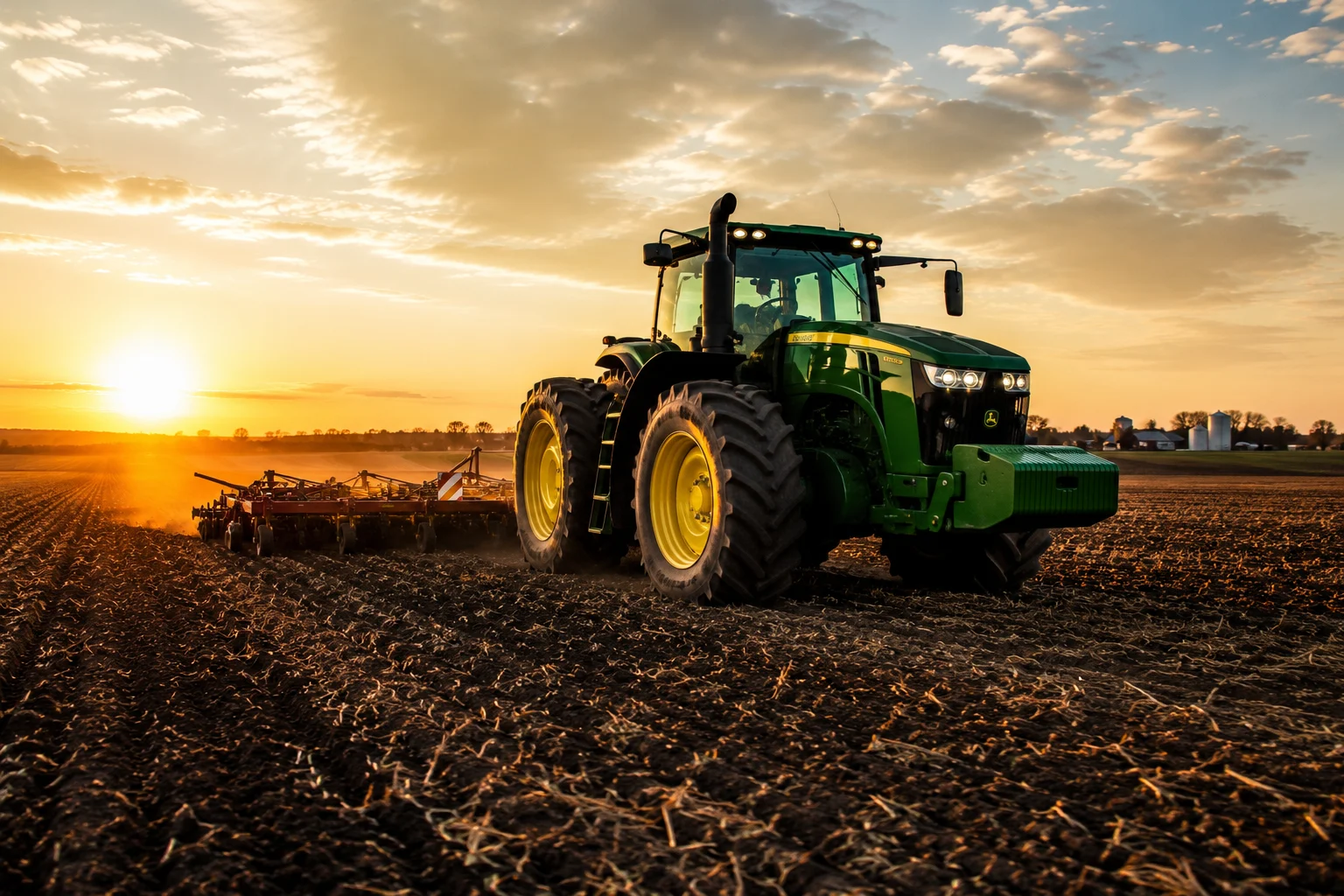
Tractors are the backbone of nearly every farm. From compact tractors for small properties to heavy-duty models for large-scale agriculture, selecting the right size and horsepower is essential.
Loaders and Material Handling Equipment
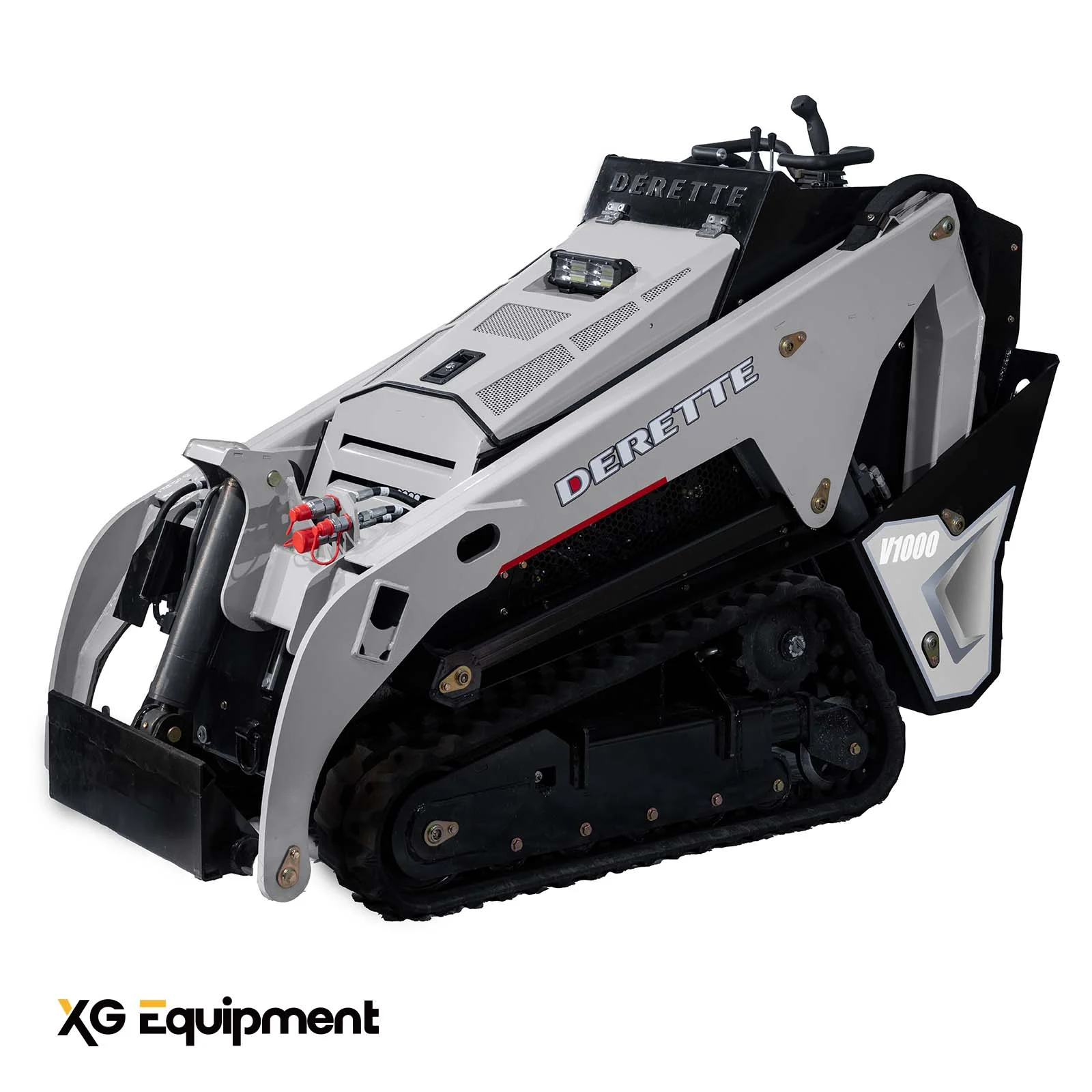
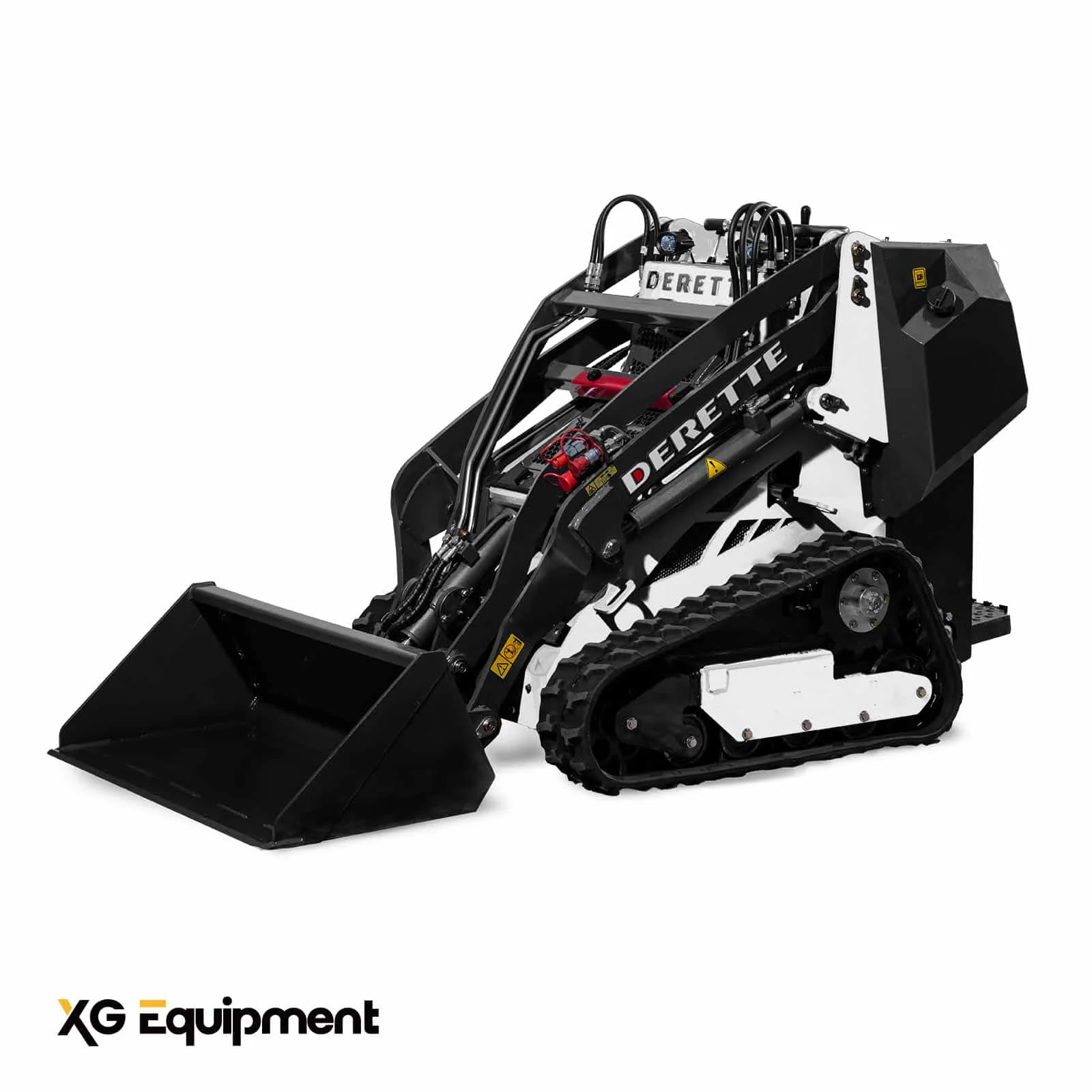
Front-end loaders, skid steers, and telehandlers are crucial for moving materials, feeding livestock, and handling bulk goods.
Hay and Forage Equipment
Balers, mowers, rakes, and tedders are essential for farms focused on livestock or hay production. Efficiency in this category directly affects feed quality and storage.
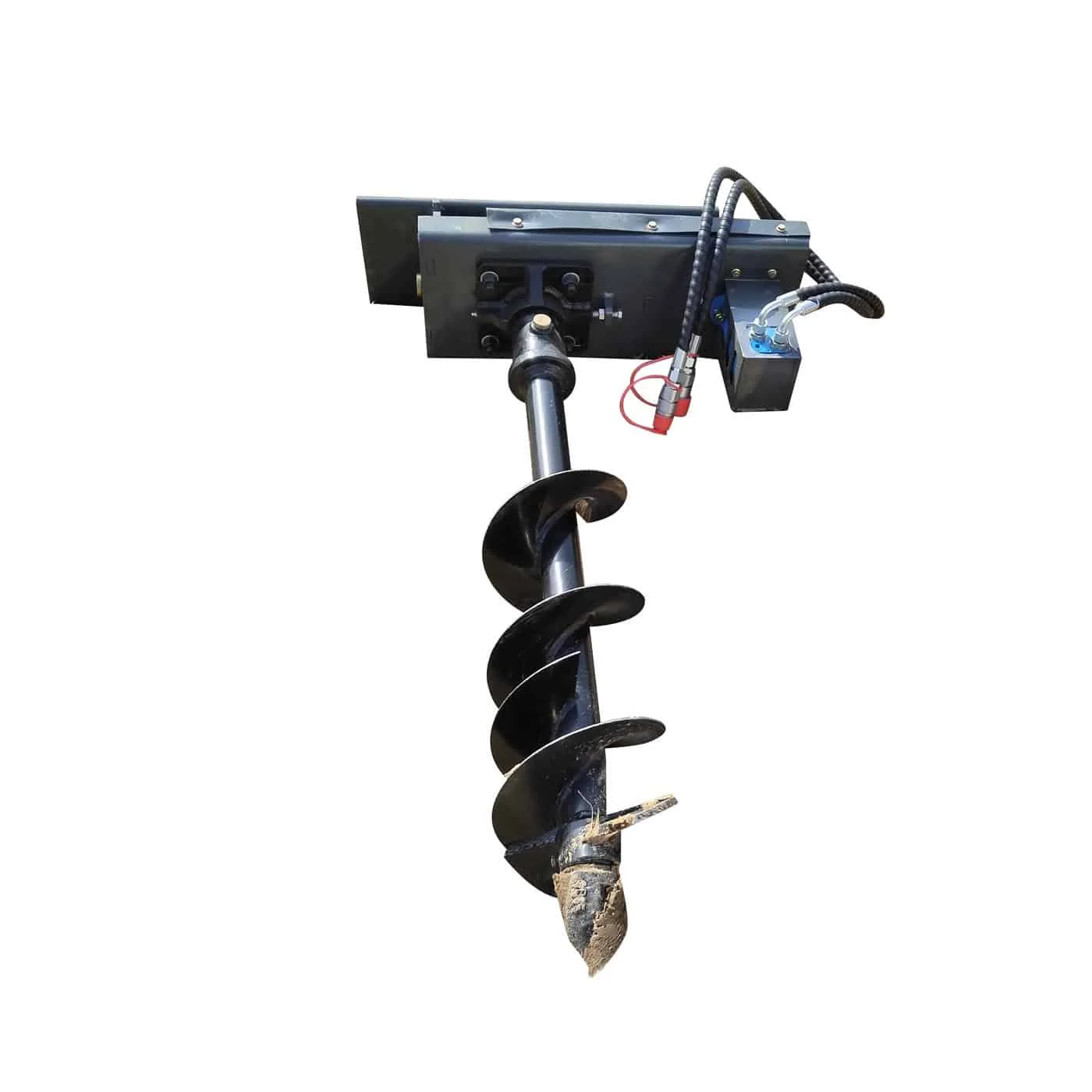
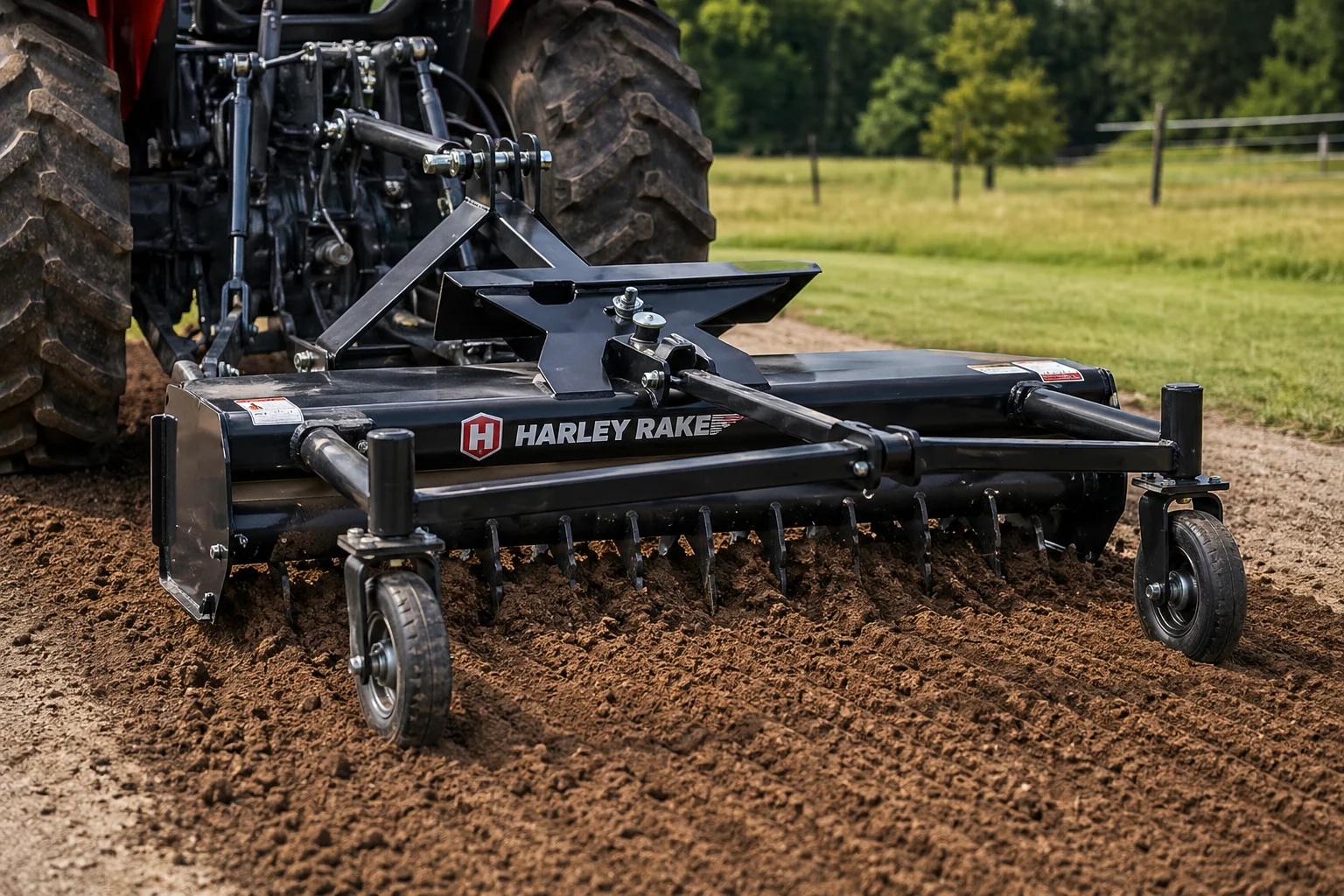
Attachments and Implements
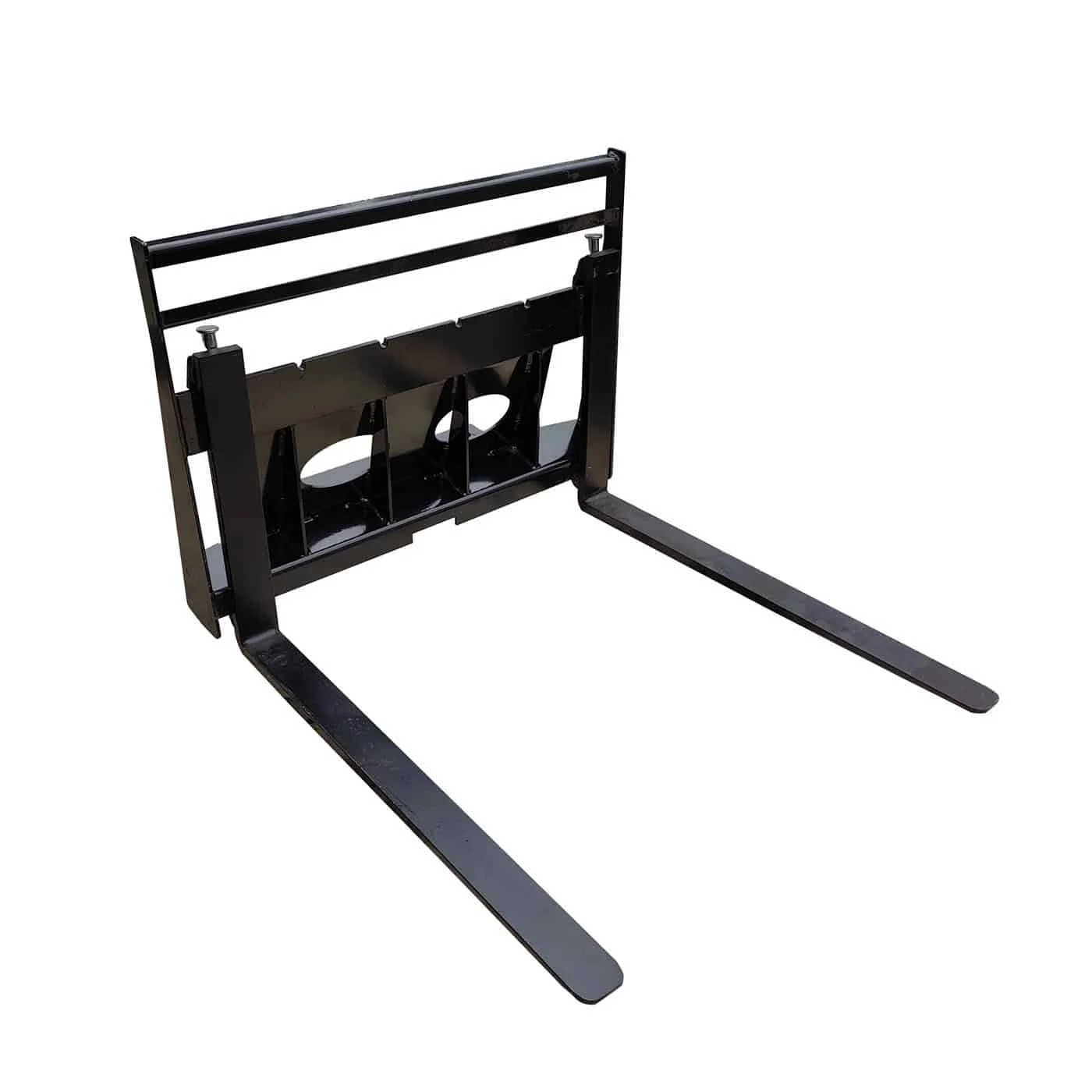
Implements like plows, seeders, and tillers extend the versatility of your machinery. A good supplier should offer a wide selection of compatible attachments.
Compact and Specialty Equipment
For smaller farms, landscaping work, or specialty crops, compact equipment provides flexibility without sacrificing performance.
What Makes a Great Farm Equipment Supplier?
Not all suppliers are created equal. The best farm equipment suppliers do more than just sell machinery, they become long-term partners in your operation.
Here are the key factors to look for:
Product Quality and Selection
A reliable supplier should offer a wide range of farm equipment from reputable manufacturers. This ensures you can find machinery that fits your specific needs rather than settling for a one-size-fits-all solution.
Look for:
- Durable, field-tested equipment
- Multiple size and power options
- Access to both new and used inventory
Industry Knowledge
An experienced farm equipment supplier understands agriculture. They can recommend the right equipment based on your acreage, crop type, and workflow.
A knowledgeable supplier will:
- Ask the right questions
- Provide practical recommendations
- Help you avoid overbuying or under-equipping
Service and Support
After the sale is where a supplier truly proves their value. Equipment breakdowns happen, and when they do, fast service matters.
Top suppliers offer:
- Maintenance and repair services
- Readily available replacement parts
- Technical support when you need it
Financing Options
Farm equipment is a significant investment. A good supplier will offer flexible financing solutions to help you manage cash flow while still upgrading your operation.
Reputation and Trust
Customer reviews, testimonials, and word-of-mouth still carry a lot of weight in agriculture. A supplier with a strong reputation is more likely to deliver consistent service and reliable equipment.
New vs. Used Farm Equipment: What’s Right for You?
One of the biggest decisions farmers face is whether to buy new or used farm equipment. Each option has its advantages.
New Farm Equipment
- Latest technology and efficiency improvements
- Manufacturer warranties
- Lower maintenance in the early years
Used Farm Equipment
- Lower upfront cost
- Proven performance history
- Faster return on investment for smaller operations
A quality farm equipment supplier will offer both options and help you evaluate what makes the most sense for your situation.
The Role of Technology in Modern Farm Equipment
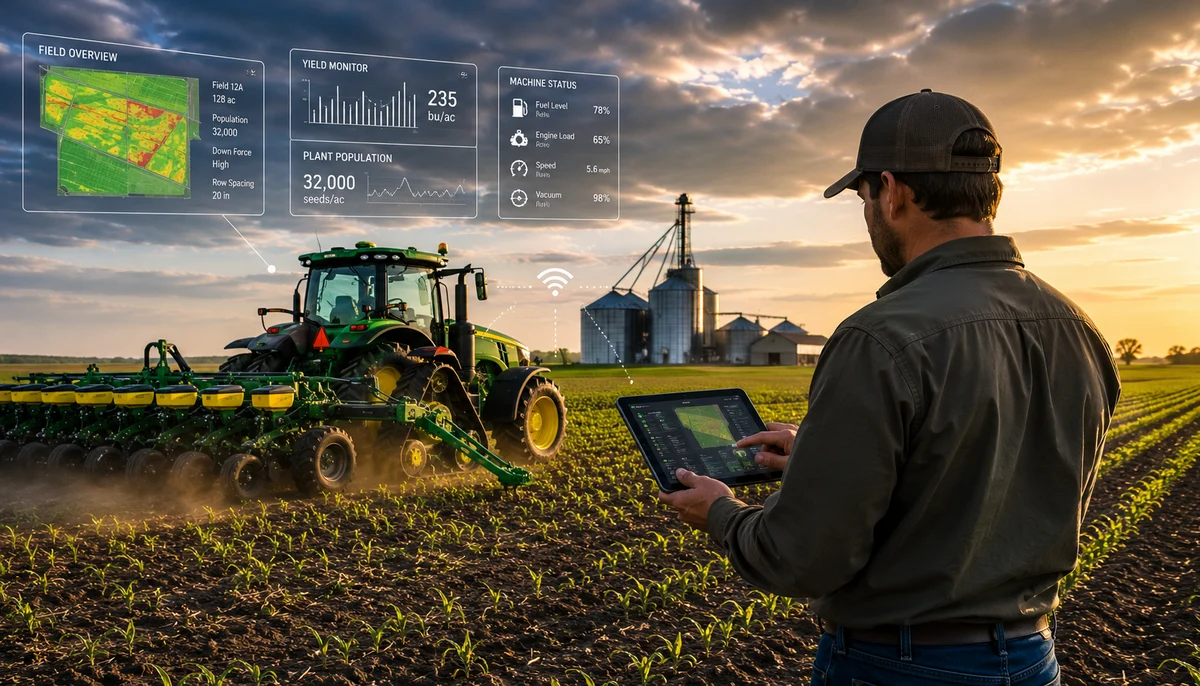
Technology is rapidly changing the way farms operate. Today’s equipment often includes features like:
- GPS guidance systems
- Precision agriculture tools
- Automated controls
- Data tracking and analytics
These advancements help farmers make better decisions, reduce waste, and improve overall efficiency. When choosing a farm equipment supplier, it’s worth considering whether they offer equipment that keeps you competitive in a tech-driven industry.
How the Right Supplier Improves Long-Term Efficiency
Choosing the right farm equipment supplier isn’t just about the initial purchase, it’s about long-term performance.
A dependable supplier helps you:
- Reduce downtime with quick repairs and parts access
- Stay productive during peak seasons
- Upgrade equipment as your farm grows
- Maintain consistent operational efficiency
Over time, this relationship can significantly impact your farm’s profitability.
Common Mistakes to Avoid When Buying Farm Equipment
Even experienced farmers can make costly mistakes when selecting equipment or suppliers. Here are a few to watch out for:
Focusing Only on Price
The cheapest option isn’t always the best. Poor-quality equipment can lead to higher maintenance costs and lost productivity.
Ignoring Service Availability
If a supplier can’t support you after the sale, you could be stuck waiting for repairs during critical times.
Buying the Wrong Size Equipment
Oversized machinery wastes fuel and money, while undersized equipment struggles to keep up with demand.
Not Planning for Growth
Your equipment should support where your farm is going, not just where it is today.
Why Farmers Are Prioritizing Local and Trusted Suppliers
In recent years, many farmers have shifted toward working with local or regionally trusted farm equipment suppliers. The reasons are simple:
- Faster service response times
- Better understanding of local farming conditions
- Stronger relationships and accountability
Working with a supplier who understands your region can make a noticeable difference in both equipment performance and overall support.
Finding the Right Farm Equipment Supplier for Your Needs
When evaluating your options, take the time to:
- Compare product offerings
- Ask about service capabilities
- Read customer feedback
- Visit the dealership if possible
The goal is to find a supplier that aligns with your operation, not just one that sells equipment.
Final Thoughts
The success of any farming operation depends heavily on the tools behind it. Investing in the right farm equipment and partnering with a reliable farm equipment supplier can streamline your workflow, reduce stress, and improve long-term results.
As agriculture continues to evolve, farmers who prioritize quality equipment and strong supplier relationships will be better positioned to adapt, grow, and succeed.
If you’re looking to upgrade your operation or explore new options, working with an experienced supplier like XG Equipment can help ensure you get the right machinery, support, and guidance to keep your farm running at its best.