Maintenance Tips for Skid Steers: A Year-Round Guide

Key Takeaways
- Maintenance tips for skid steers help you keep reliable power and avoid surprises.
- A steady routine protects engines and hydraulics and keeps attachments in good order.
- Clean first, then inspect, then lubricate, and finish with a short test.
- Follow the operator manual for model-specific intervals and fluid specs.
Why Skid Steer Maintenance Matters

Having good maintenance tips for your skid steers is important if you want reliable power and fewer surprises. A steady routine protects engines and hydraulics, keeps attachments in good order, and stops small issues from becoming big problems. Here is a season by season guide to keep your XG Equipment skid steer and attachments ready for work.
What a Skid Steer Needs to Stay Healthy
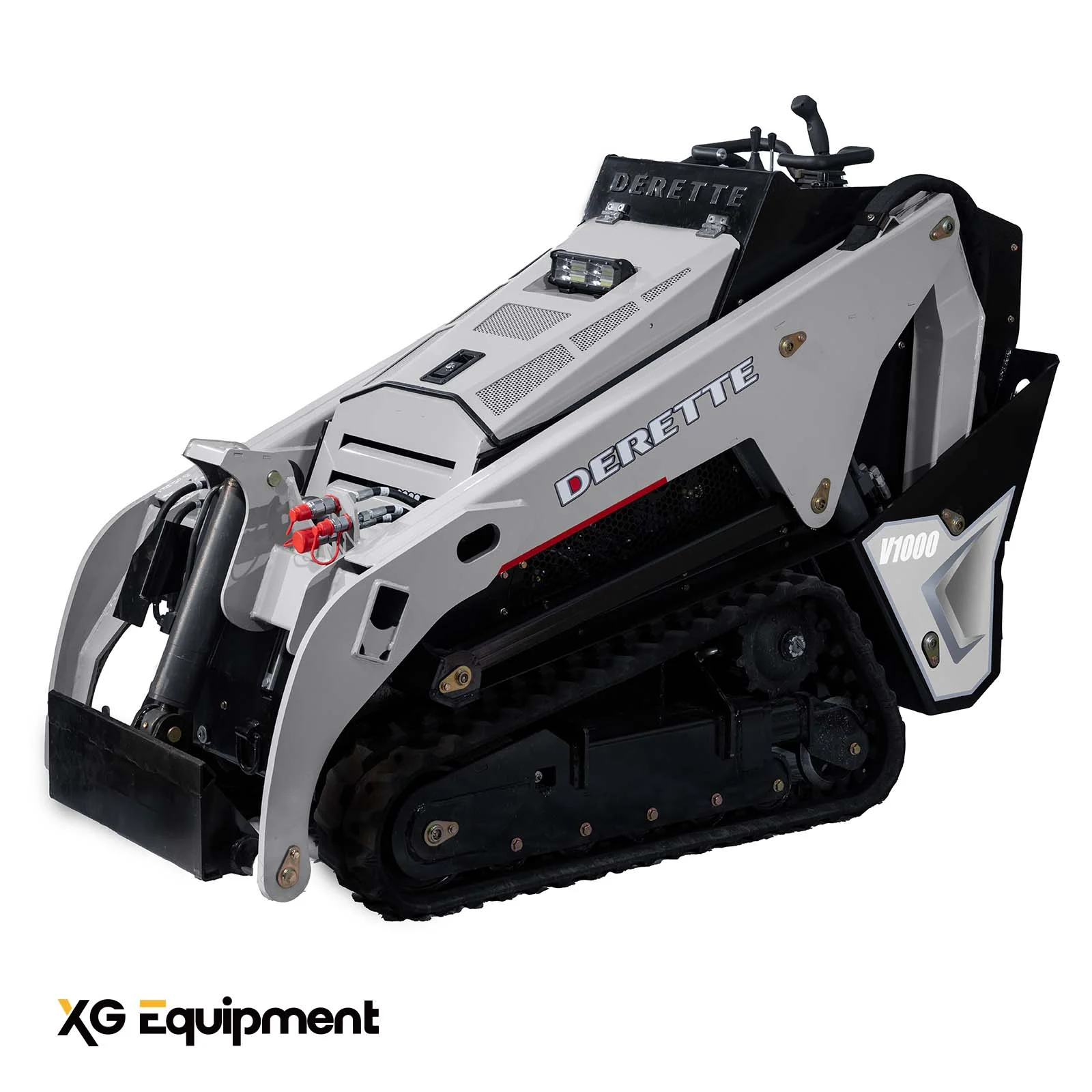
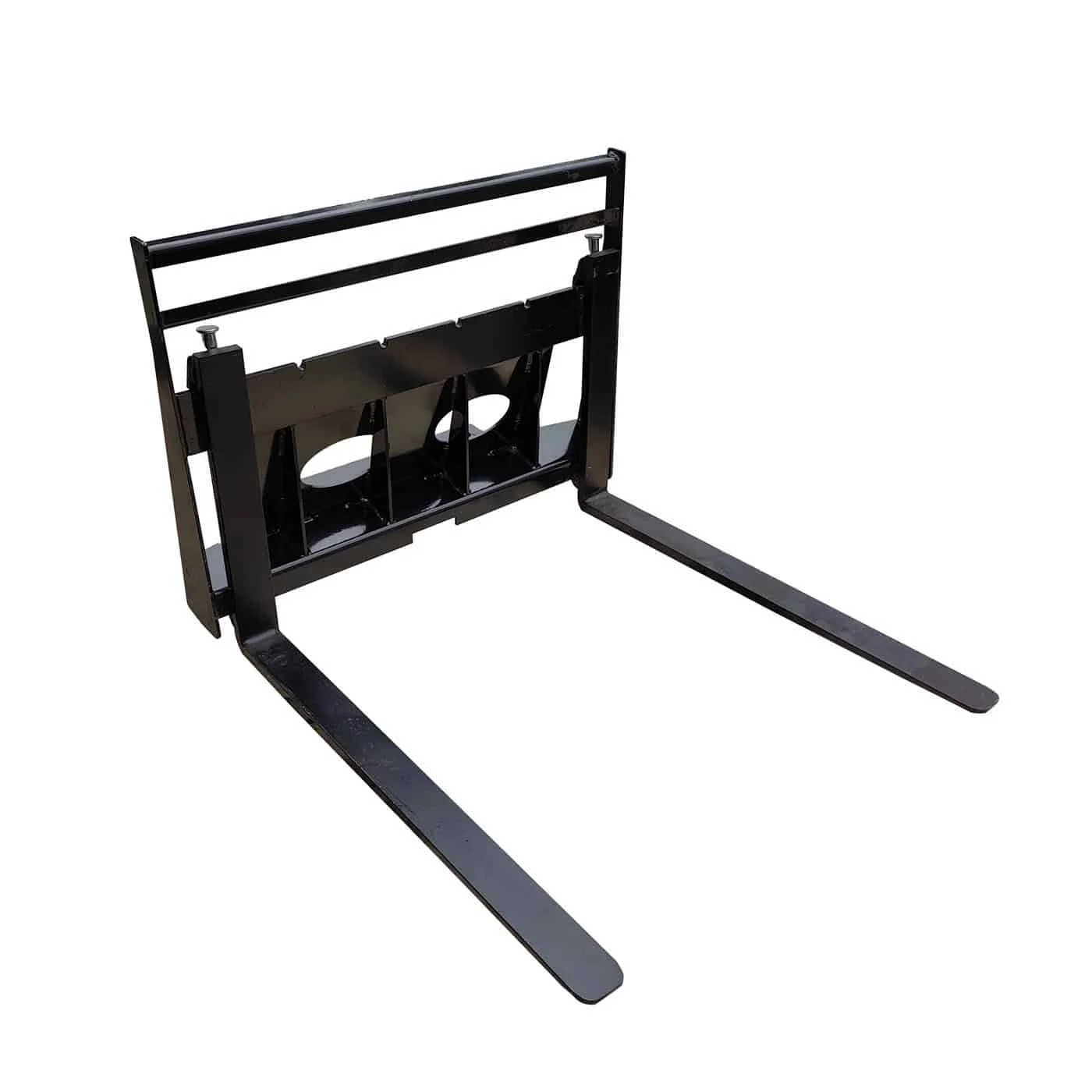
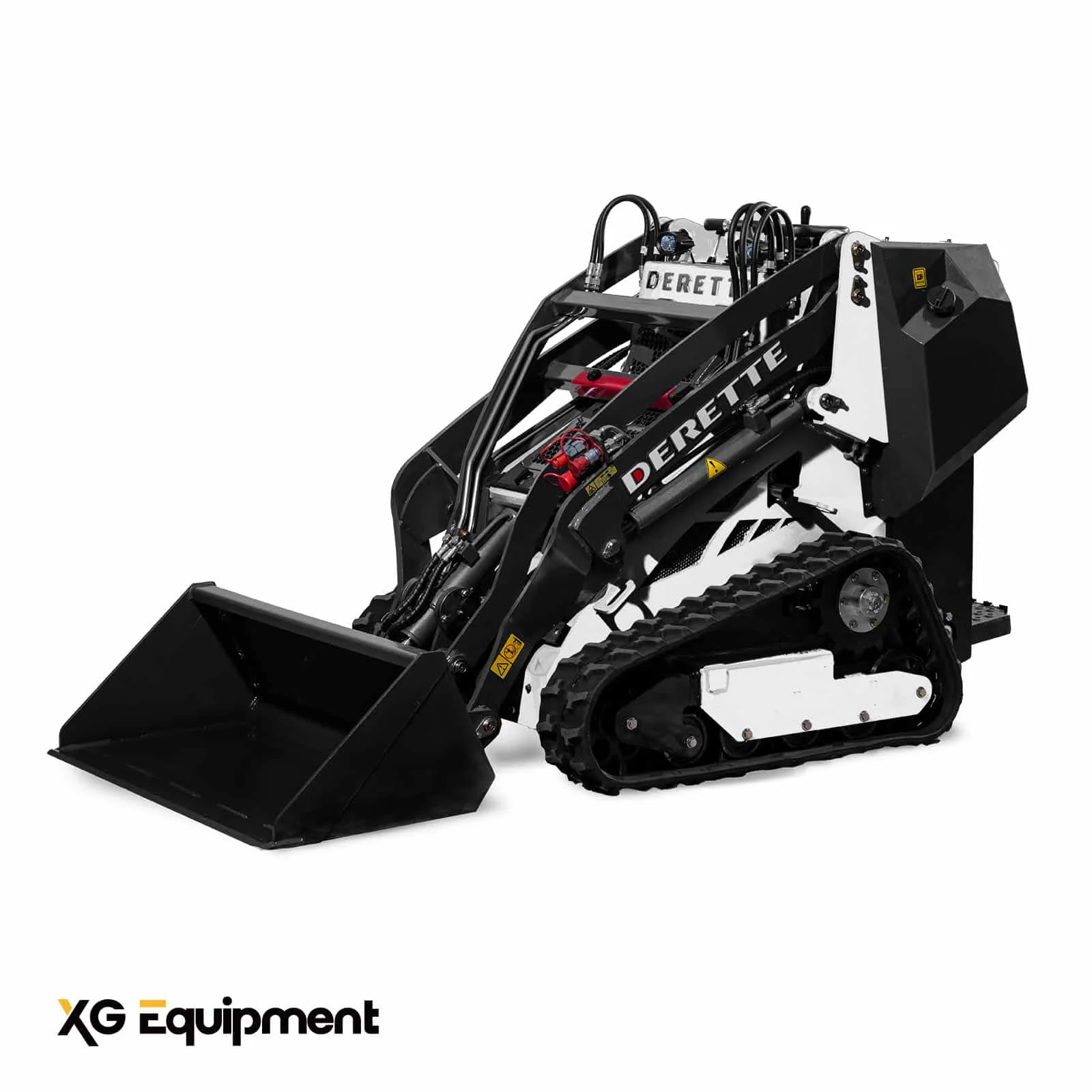
A skid steer is a small work machine. There is a plate up front that allows you to click on different tools in seconds. Buckets, grapples, forks, augers, trenchers, and sweepers all run off the same engine and hydraulic system. Keep that system healthy with clean fluids, fresh filters, the right grease, and clear airflow. If you are unsure what to do, open the operator manual for your model and follow the simple checks below.
Daily Checklist

- Fluids first. Verify engine oil, hydraulic fluid, and coolant levels.
- Safety check. Make sure lights, alarm, horn, seat belt, and lap bar work.
- Hydraulic walkaround. Inspect hoses and fittings for abrasion or leaks.
- Clean airflow paths. Remove dirt from radiators, coolers, belly pans, and attachment pockets.
- Undercarriage check. Inspect tracks or tires for tension, damage, and wear patterns.
- Lube essentials. Grease lift arm pins, cylinder pins, couplers, and the quick attach.
- Battery quick check. Tighten connections and clean any corrosion.
Pro tip: Keep this quick list near the operator seat. Most tasks take only minutes and can prevent larger issues later.
Maintenance Tips for Skid Steers in Fall
Fall often brings heavy material handling and land clearing. You will want to follow this list before winter comes.
- Lock the attachment. Make sure both quick attach pins are fully seated and the tool does not wiggle.
- Protect hoses. Check routing and sleeves so hoses are not rubbing on sharp edges.
- Clean after each job. Knock off leaves, dirt, and mud so moving parts do not jam.
- Test lights. Fall has less daylight, so make sure work lights and signals are bright. Replace any bad bulbs.
- Check edges and teeth. Inspect bucket edges and grapple teeth or caps. Replace worn parts.
Pro tip: A quick torque check on key fasteners can prevent mid season downtime.
Maintenance Tips for Skid Steers in Winter
Cold affects batteries, seals, and how fluids flow. Gentle warmup and good storage are your friends.
- Warm up first. Let the engine and hydraulics idle so oil and fluid reach operating temperature.
- Maintain the battery. Use a battery maintainer on machines that sit for long periods.
- Store under cover. Keep the loader out of snow and ice to reduce rust and frozen controls.
- Watch for leaks. Check seals and fittings for small leaks that the cold can worsen.
- Clean gently. Use a soft brush to clear radiators and screens without bending fins.
Pro tip: Cycle the attachment hydraulics at low load during warmup so hoses and cylinders warm evenly.
Maintenance Tips for Skid Steers in Spring
Spring is the reset after winter, so start with a clean machine and a careful inspection.
- Change filters. Replace air and cabin filters if you see winter dust or moisture.
- Grease everything. Grease every pivot until fresh grease squeezes out at the seals.
- Wash and inspect. Wash the machine and attachments so cracks and leaks are easy to spot.
- Check undercarriage or tires. Inspect rollers, idlers, and sprockets, or check tire sidewalls and pressure.
- Inspect hydraulics. Look over hoses and cylinders for cold weather damage.
Pro tip: Clean first, then grease. This pushes any water and grit out, so the moving parts are packed with clean grease, not sludge.
Maintenance Tips for Skid Steers in Summer
Heat stresses engines and hydraulic systems. Cooling and cleanliness are the focus.
- Watch hydraulic fluid. Monitor more often during long days and look for cloudy or foamy fluid.
- Check the air filter. Replace when the restriction indicator calls for it on dusty sites.
- Keep coolers clear. Keep the radiator, oil cooler, and fuel cooler clean and unobstructed.
- Grease high movement points. Focus on grapples, buckets, and other tools.
- Blow out the coolers. Go from the clean side to the dirty side to avoid packing dust.
Pro tip: When temperatures climb, pause and clear screens. Five minutes now prevents expensive troubles later.
Attachment Care That Extends Machine Life

Well kept attachments reduce stress on the loader and help it last longer.
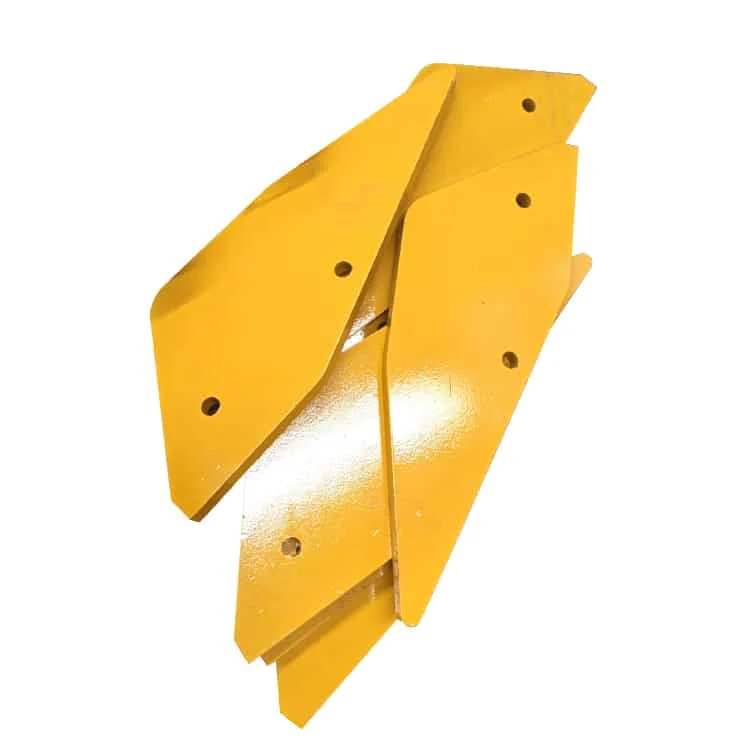
- Buckets: Inspect cutting edges, side plates, and welds. Replace edges before they scallop.
- Grapple buckets: Check teeth or caps, bushings, and hose guards. Grease hinge pins.
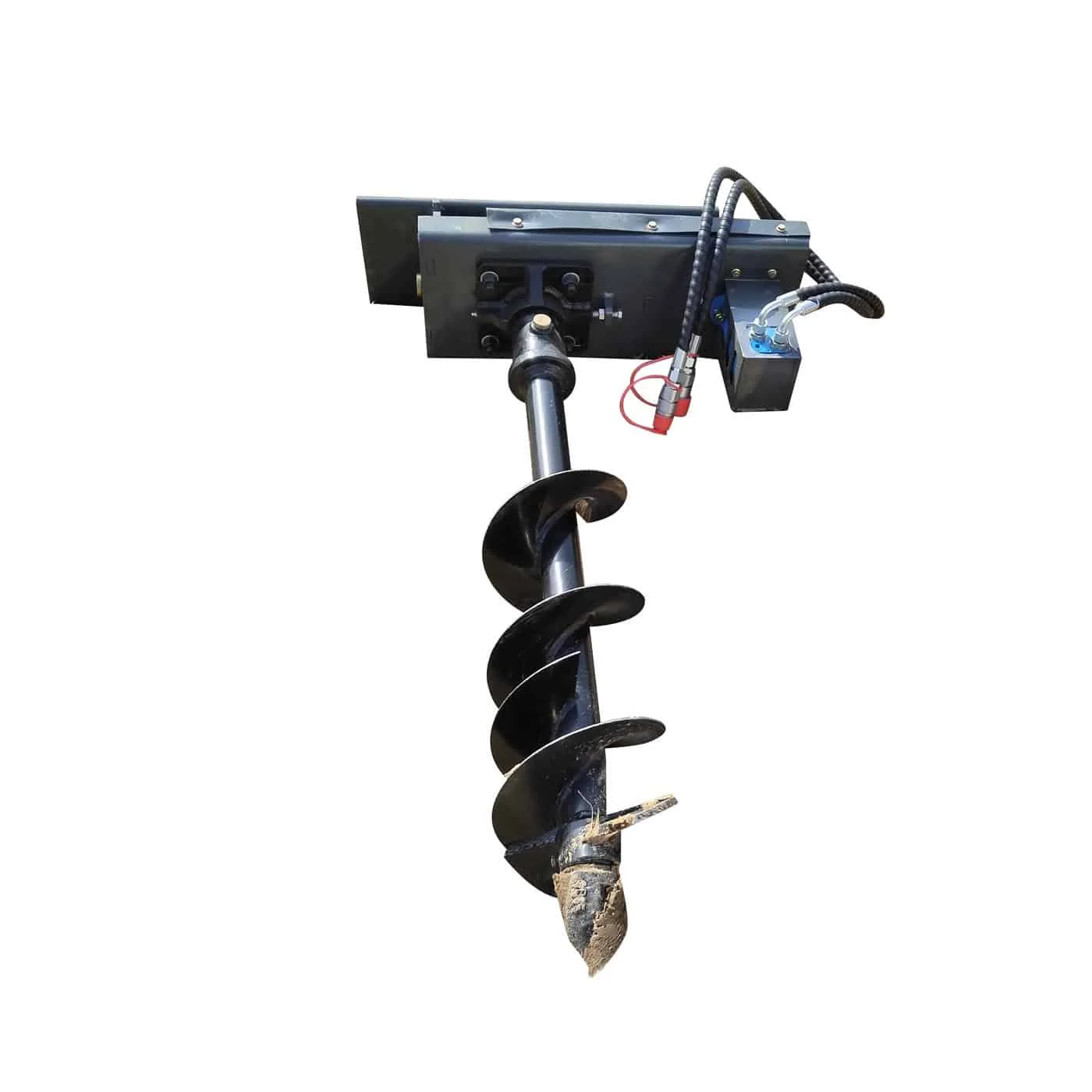
- Trenchers and augers: Maintain chain or teeth, verify torque on wear parts, and confirm correct chain or bit rotation.
- Sweepers: Check bristle length and chain tension and clean dust guards and bearings.
- Quick attach plate: Keep it clean and lightly greased so tools lock in fully.
Pro tip: Store attachments clean, capped, and on level ground. Keep hydraulic couplers covered to prevent contamination.
Repair or Replace
- Grapple teeth: Light bends are often repairable if metal is sound. Cracks or twists require replacement.
- Hydraulic hoses: Light abrasion can be sleeved. Bulges, cuts, or leaks mean replacement.
- Seals and cylinders: Small oil leak means replace the seal. Scratched or pitted rod means rebuild or replace the cylinder.
- Filters and fluids: Do not stretch intervals. Clean filtration is affordable insurance.
Frequently Asked Questions

How often should I grease a skid steer?
Grease daily during heavy use or as your operator manual recommends. Add grease until fresh grease appears at the seals.
What hydraulic fluid should I use?
Always match the spec in your operator manual for your exact model and climate.
How do I know if my track tension is correct?
Track sag and torque specs vary by machine. Refer to the operator manual for your model.
Do attachments have separate maintenance needs?
Yes. Each attachment has its own wear parts and grease points. Check the attachment manual and clean after every job.
What should I do before long term storage?
Clean the machine and attachments, grease pivots, top off fluids, disconnect or maintain the battery, and store under cover.
Conclusion

Maintenance tips for skid steers are fairly simple, but they are only beneficial when you do them consistently. Clean first, then inspect, then lubricate, and finish with a short test. Follow the operator manual for 50, 100, and 250 hour items such as filter changes and hose inspections. If you need parts or new attachments, visit XG Equipment to match tools to your workload. With steady care, your skid steer will start strong, run cool, and deliver reliable power in every season.